

Latest articles by Sylvia Black
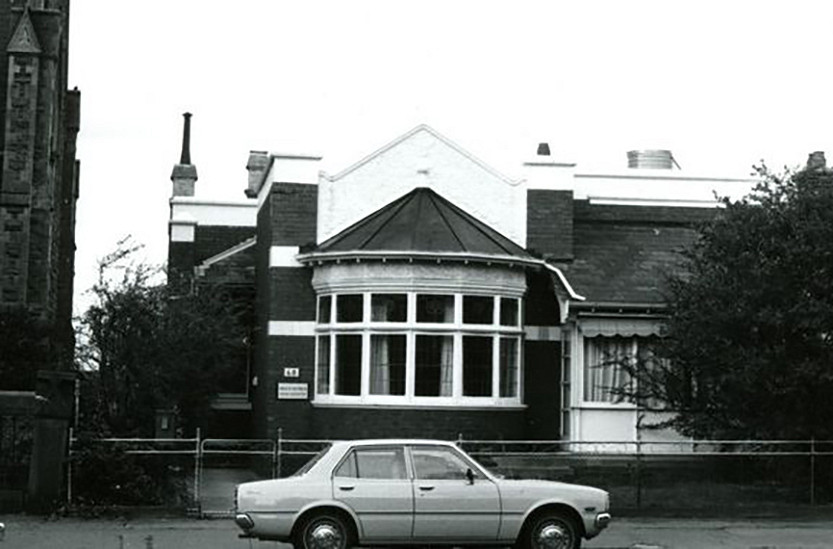
The International Club of Victoria
The relatively modest house at 68 Powlett St, East Melbourne once went by the rather grand name of the International Club of Victoria.
Read More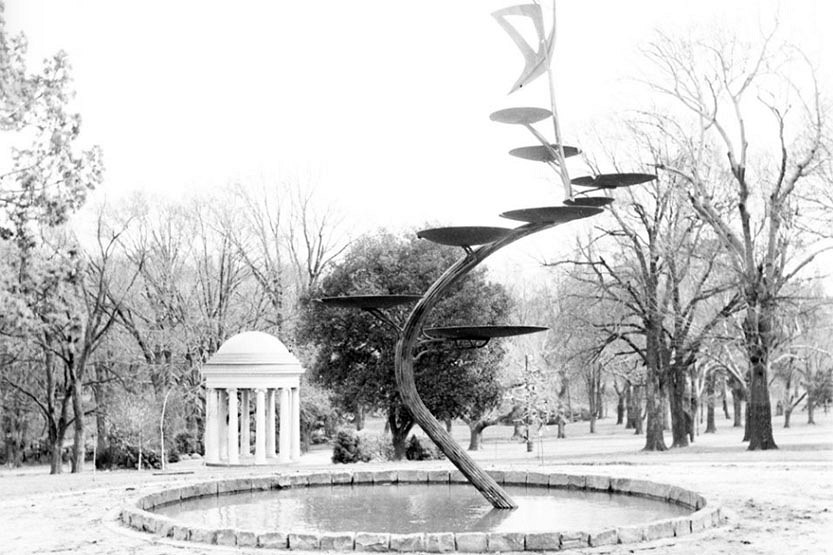
The Dewdrop Fountain, Fitzroy Gardens
On a piece of flattish ground near the Gipps St and Clarendon St corner of the Fitzroy Gardens and directly in line with Bishopscourt there once stood a rather impressive fountain.
Read More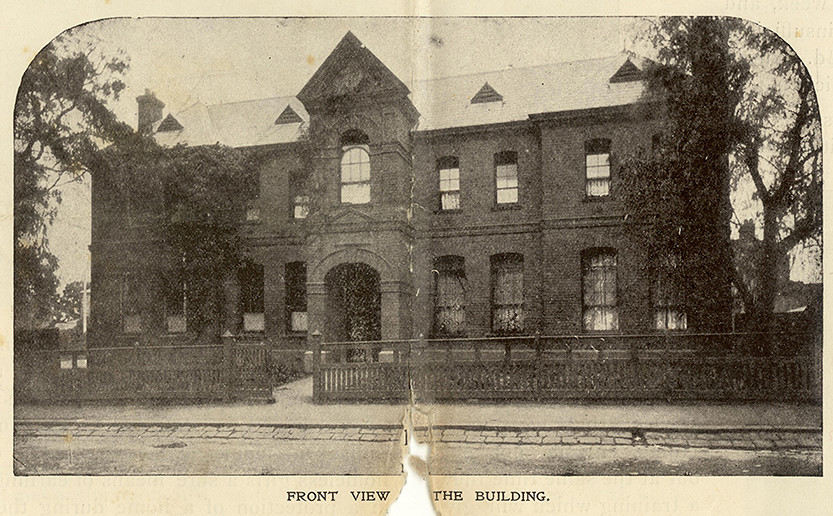
The Servants Training Institute
On the western side of Berry St, East Melbourne, there once stood a large red brick building known as the Servants’ Training Institute.
Read More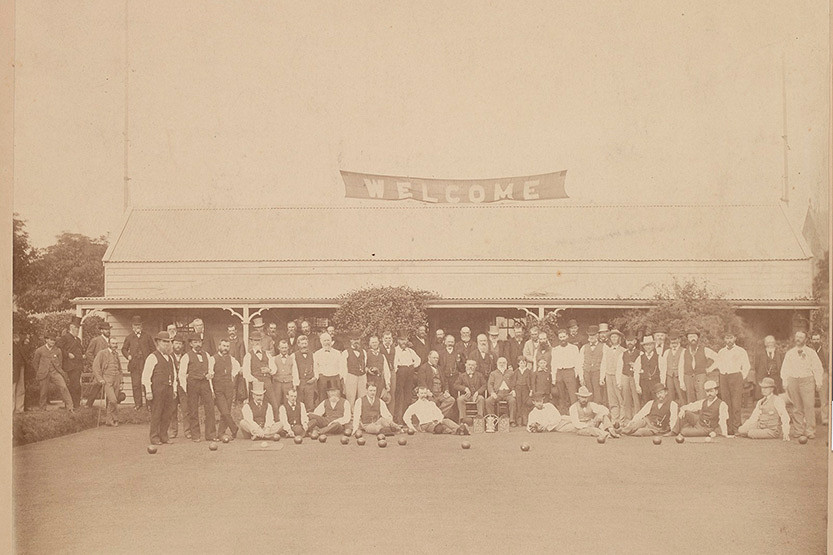
The Fitzroy and East Melbourne Bowling Club
In Fitzroy in 1865 the idea of a local bowling club finally came to fruition. A committee was elected. The name was confirmed as the Fitzroy Bowling Club and rules were put in place.
Read More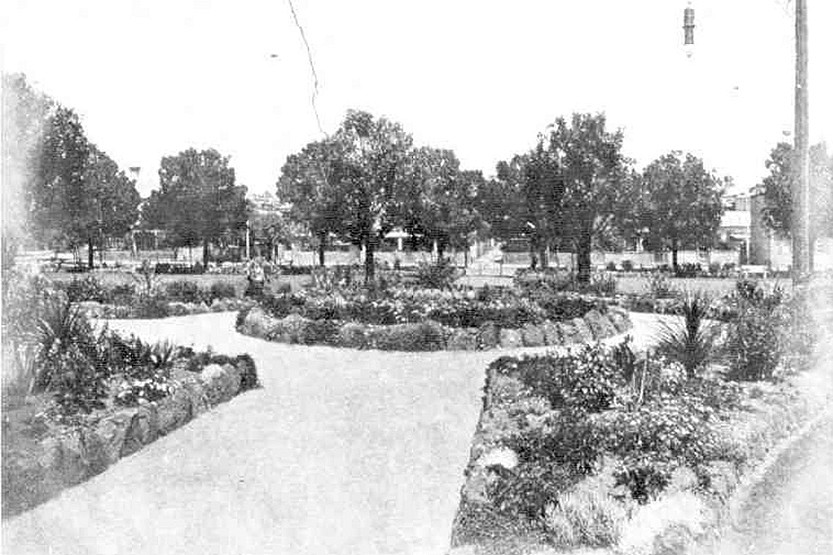
The changing face of Darling Square
In the time before white settlement the area around what we know as Darling Square in East Melbourne was swampland and was a source of plentiful foodstuffs enjoyed by the local Wurundjeri people.
Read More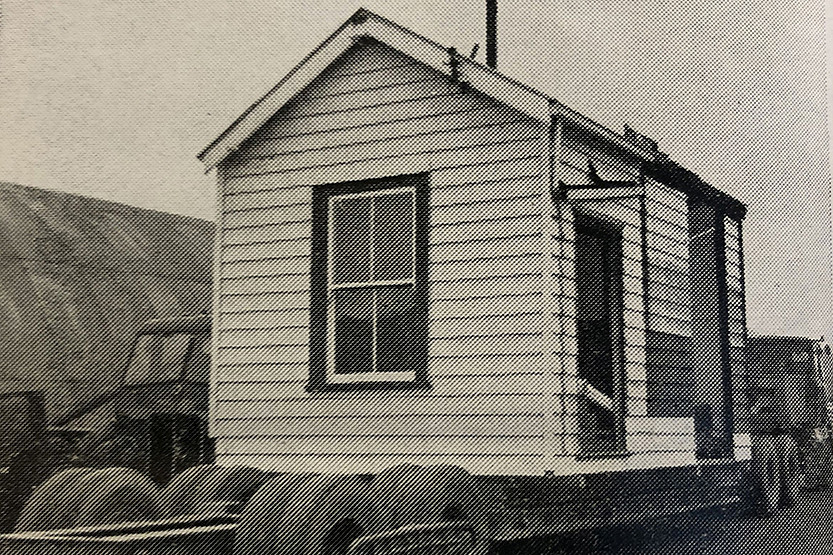
Policing East Melbourne
In 1883 the Police Department rented a house on a wide block of land in Darling St, East Melbourne. This house would become the residence of the sergeant-in-charge of the new police station.
Read More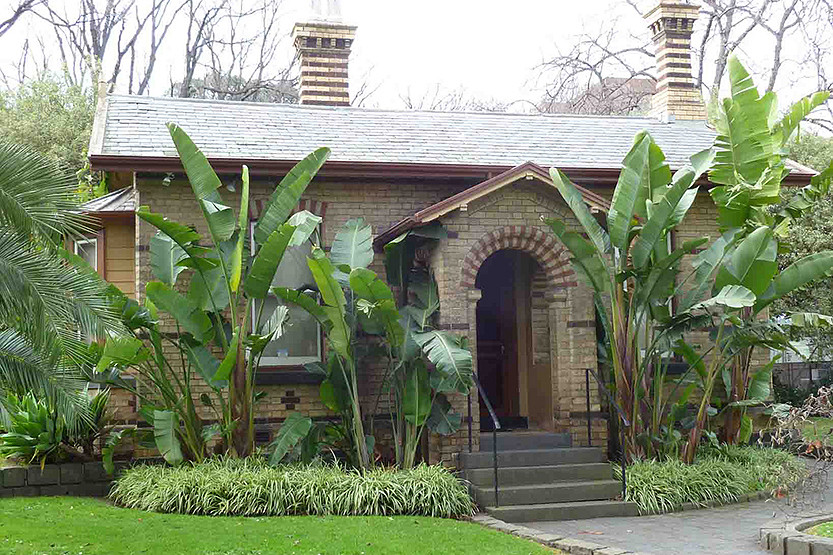
James Sinclair and his cottage
In the centre of the Fitzroy Gardens is a cottage almost invisible behind its overgrown garden but it is an interesting little house and worth a more careful look.
Read More
More than a kindergarten
An interesting sidelight on the changing demographic of Melbourne in the years after the Second World War was the decision to relocate the existing City Free Kindergarten in Exhibition St (on the corner of Little Lonsdale St) to Powlett Reserve in East Melbourne.
Read More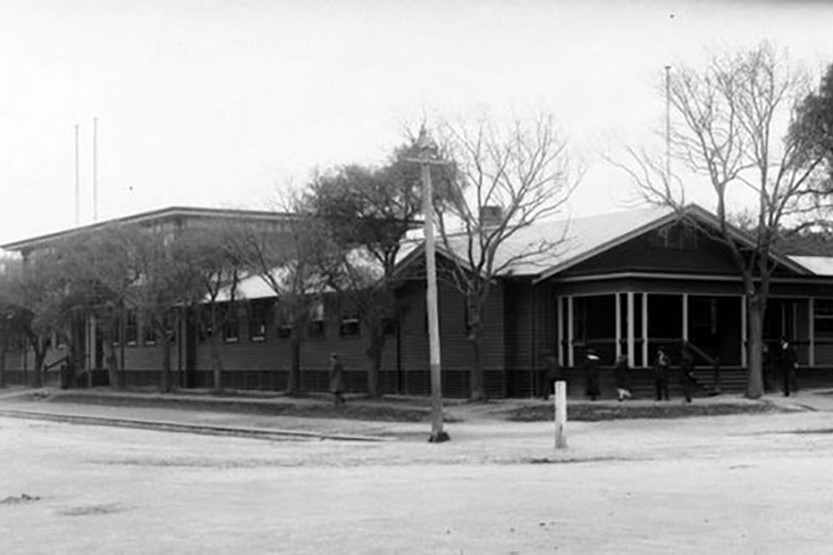
Jolimont and repatriation
By 1917 it was apparent that repatriation services for returning service men and women were inadequate. Soldiers were arriving back in the country in large numbers, most of them damaged by illness or injury.
Read More
Melbourne’s original aquarium destroyed by fire
Melbourne’s original aquarium was located in the Royal Exhibition Building in Carlton.
Read More
The curious Mr Stanford: from East Melbourne to California
Thomas Welton Stanford arrived in Melbourne in 1860 to make money. He achieved this by quickly securing the sole licence to import Singer sewing machines. But it is not for his business success that he is primarily known.
Read More
Pros and (mod) cons
So pronounced the Sun-News Pictorial of October 16, 1939 … “In aid of the Red Cross and War Comforts Funds Melbourne City Council has transformed the Treasury Gardens into a Garden City with an extensive lighting scheme.”
Read More
Bedggood: friendly footwear
Daniel Bedggood arrived in Melbourne in 1854. Almost immediately he set up a boot and shoe factory in Richmond.
Read More
Mary Gilbert: Melbourne’s first mother
There has been much publicity lately about the large imbalance in the numbers of statues of men as opposed to women in Melbourne.
Read More
Smelling history
Smells trigger memory just as effectively as old photos or objects.
Read More
Dr Julian Smith: surgeon and photographer
One of East Melbourne’s more notable residents was Dr Julian Smith; a remarkable man, famous in two very different fields, surgery and photography.
Read More
Grand Hotel Cabman’s Shelter
Cabmen’s shelters had been a feature of London streets since 1875. These little buildings provided much needed shelter for cabmen while they waited for customers.
Read More
The early days of women’s cricket
With the MCG within its boundaries, East Melbourne has more than its fair share of sporting stories. One that is probably not so widely known is the foundation of women’s cricket as an organised sport.
Read More
Ormiston educational establishment for young ladies
East Melbourne from its earliest days was full of schools.
Read More
Gone, but not forgotten
The Argus, on February 28, 1908, reported: “Some months ago the parks and gardens committee decided to make the Fitzroy Gardens more attractive by erecting a rustic kiosk, where tea, coffee and light refreshments might be dispensed …
Read More